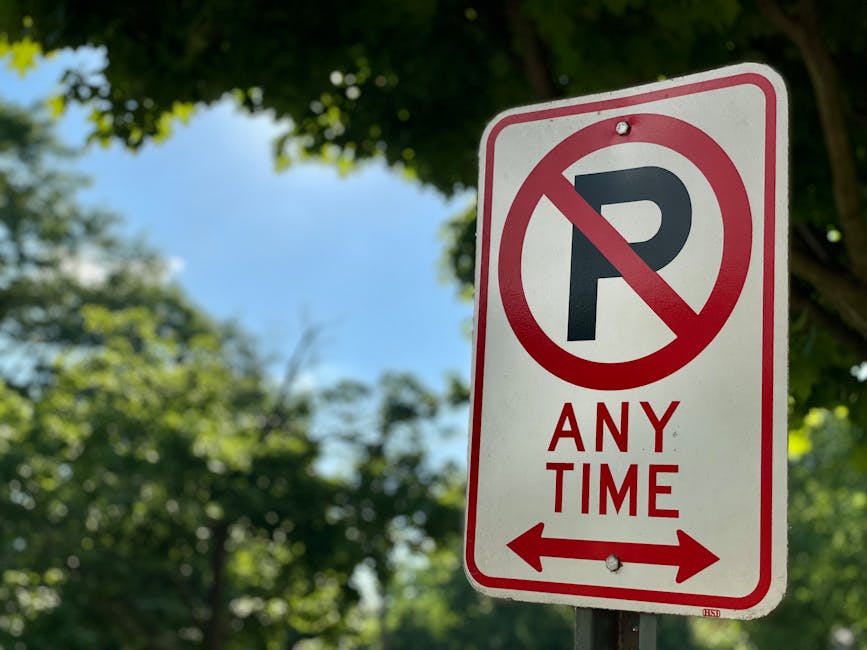
Crofton Park removal parking rules what residents must know
Moving house in Crofton Park can be hectic enough without discovering, at the last minute, that the van has nowhere sensible to stop. That's why understanding Crofton Park removal parking rules what residents must know matters before the first box is lifted. A good move is not just about carrying furniture; it is about planning access, timing, space, and the little details that turn a stressful day into an orderly one. If you live on a tight residential street, near busy corners, or in a flat with limited frontage, parking can shape the whole removal. The upside? A bit of preparation usually prevents most headaches.
In this guide, we'll walk through how removal parking typically works in a London neighbourhood like Crofton Park, what residents should check in advance, the most common mistakes, and how to keep your move civilised rather than chaotic. Truth be told, it is often the parking plan that saves the day.
Table of Contents
- Why Crofton Park removal parking rules what residents must know Matters
- How Crofton Park removal parking rules what residents must know Works
- Key Benefits and Practical Advantages
- Who This Is For and When It Makes Sense
- Step-by-Step Guidance
- Expert Tips for Better Results
- Common Mistakes to Avoid
- Tools, Resources and Recommendations
- Law, Compliance, Standards, or Best Practice
- Options, Methods, or Comparison Table
- Case Study or Real-World Example
- Practical Checklist
- Conclusion
- Frequently Asked Questions
Why Crofton Park removal parking rules what residents must know Matters
Parking is the part of a move people underestimate, then spend the morning negotiating with it. In Crofton Park, that can mean narrow roads, parked cars on both sides, delivery traffic, school runs, and the simple fact that removal vans need more space than a family hatchback. If the vehicle cannot stop safely and legally, everything slows down: loading takes longer, neighbours get annoyed, and the risk of damage goes up.
For residents, the main point is simple: removal parking rules are not just a formality. They affect where a van can wait, whether it can load close to your door, and whether the move stays within local parking restrictions. Even a well-organised crew can be forced into awkward carrying distances if the parking spot is wrong. And yes, carrying a sofa from the far end of the street in drizzle is as unpleasant as it sounds.
There is also the trust angle. A moving day that feels controlled tends to feel safer too. That matters if you are moving valuable items, using a heavy vehicle, or arranging a same-day turnaround. If you want to understand the broader service side as well, pages like removals, home moves, and flat removals can help frame the type of move you're planning.
How Crofton Park removal parking rules what residents must know Works
There is no single universal "removal parking rule" for every street, because parking control depends on the exact road, the time of day, nearby restrictions, and the size of the vehicle. In practice, the process usually involves a few moving parts:
- checking whether the street has parking bays, single yellow lines, double yellow lines, or permit-only spaces;
- confirming whether loading is allowed for a short period;
- making sure the vehicle does not block driveways, crossings, junctions, or pedestrian access;
- allowing enough time for furniture to be carried out safely;
- planning for flats, stairwells, or longer carry distances if the van cannot park directly outside.
In a typical Crofton Park move, the resident often acts as the local coordinator. You know the street, the neighbours, the bottlenecks, and the awkward gate that sticks a little when it rains. That local knowledge is gold. A removal team can bring the muscle and transport; you provide the practical site awareness.
It also helps to separate two ideas: parking availability and parking legality. A space may look open, but still be restricted. A van may fit, but not be allowed to stop there for long. And on moving day, "I thought it would be fine" is not the phrase anyone wants to repeat.
If the move involves a larger vehicle, it may be worth considering a dedicated moving truck or a smaller removal van depending on street access. In some cases, a smaller vehicle is simply easier for Crofton Park roads, especially where parking is tight.
Key Benefits and Practical Advantages
Getting the parking side right offers practical advantages that show up immediately on the day. Not glamorous, but very real.
- Faster loading and unloading: the closer the van, the less time spent walking boxes and furniture up and down the pavement.
- Lower risk of damage: fewer tight turns, fewer obstacles, and less chance of bumping items against kerbs, posts, or parked cars.
- Less stress for neighbours: a tidy parking plan is usually better received than a van wedged awkwardly across a road.
- Better timing: less wasted time means fewer delays if you need to hand keys back or meet a building manager.
- Safer handling: long carries and rushed lifting increase the chance of slips and strains. Nobody wants that, least of all on moving day.
There is another benefit people sometimes miss: parking planning helps you choose the right removal service. A move in a busy street may be better served by a nimble team offering man and van support, while a bigger household move may call for a more substantial crew via house removals or house removalists.
Who This Is For and When It Makes Sense
This topic matters to more people than you might think. It is not just for homeowners with a full house and a piano in the hallway. The parking challenge shows up in lots of everyday Crofton Park moves.
- Residents moving from terraced houses: these streets can be narrow, with limited stopping space and cars already lined up.
- Flat dwellers: a flat move often means stairs, shared entrances, and awkward collection points, so parking matters even more.
- Students: student moves are often quick, but they still need good vehicle access, especially at busy times.
- Office movers: commercial moves may involve stricter timing windows and more equipment, which makes parking planning essential.
- Anyone moving bulky items: wardrobes, sofas, appliances, and upright pianos all need room to manoeuvre.
If you are moving smaller loads or just a few heavy pieces, services such as furniture removals or furniture pick up can be a practical fit. If you are moving on a deadline, you may also want to think about same day removals, though parking becomes even more important when time is tight.
Step-by-Step Guidance
Here is a sensible way to approach parking for a Crofton Park move. Nothing fancy. Just a sequence that works.
- Inspect the street in advance. Look at parking signs, yellow lines, bay markings, driveways, and any obvious pinch points. If possible, do this at the same time of day as your move.
- Measure the access realistically. Think about the van length, turning space, and whether doors, gates, or low branches might get in the way.
- Plan the closest legal stopping point. The best spot is the one that is both legal and practical. Those two things are not always the same, which is a bit annoying, honestly.
- Tell the moving team what the street is like. Mention if there are school times, delivery congestion, or a sharp bend outside the property.
- Prepare the property frontage. Keep pathways clear, move bins if appropriate, and make sure boxes are ready before the vehicle arrives.
- Build in extra time. Parking uncertainty is normal in London. A little buffer reduces panic if the first space is taken.
- Keep key contact details to hand. If the driver needs guidance on arrival, you should be reachable immediately.
A useful way to think about it: the parking plan should answer three questions before moving day begins. Where will the vehicle stop? How long can it stay there? And how far is the walk from van to front door? If you cannot answer those clearly, the day is likely to feel messier than it needs to.
Expert Tips for Better Results
These are the small things that tend to separate a smooth move from a rather frantic one.
- Book the vehicle size for the street, not just for the contents. A slightly smaller van can sometimes save far more time than a bigger one. Counterintuitive, but true.
- Avoid peak congestion where possible. Early starts can make a real difference in residential streets.
- Use the front room as a staging area. Keep only the essentials near the exit so the crew is not dodging clutter.
- Protect the route. A clean, dry path reduces slipping and helps furniture move faster.
- Think about the return journey too. If the van must leave and come back, the second parking attempt may be harder than the first.
One quiet, practical tip: if you can fit a quick street walk into the evening before the move, do it. Ten minutes on foot can reveal the annoying stuff you never notice from inside the house. The low wall. The busy corner. The car that always sits slightly too far out. That sort of thing.
And if you need packing support before the van arrives, packing and boxes or packing and unpacking services can help reduce the number of last-minute trips, which is good for both parking and sanity.
Common Mistakes to Avoid
Most parking problems are preventable. The tricky bit is that people only realise what they missed once the van is already outside.
- Assuming there will be space. Even on quieter streets, parked cars can fill the best spot overnight.
- Ignoring signs because the vehicle is "just here for a minute." That is rarely a safe plan.
- Forgetting about turning room. A van may stop in a space but still be unable to manoeuvre out cleanly.
- Not warning neighbours. A quick heads-up can reduce friction, especially if access will be temporarily tight.
- Leaving bulky items until the last minute. The crew should not be waiting while you dismantle a bed frame.
- Choosing the wrong vehicle type. Too large can be awkward; too small can mean extra trips. Neither is ideal.
Another common one: people prepare the inside perfectly and forget the outside. A tidy hallway is lovely, but if the van is thirty metres away on a busy road, the move still drags. It's a small thing. Not small on the day.
Tools, Resources and Recommendations
You do not need a complicated toolkit to plan removal parking well. What you do need is the habit of checking a few practical details before the day arrives.
- A street photo or phone note: take a picture of parking signs, the frontage, and any awkward restrictions.
- A rough inventory: know what items need the closest access so the heaviest objects are not carried furthest.
- Building information: if you live in a block, find out about lift access, entry codes, or loading arrangements.
- Removal planning pages: for broader preparation, the company's removal services page is a useful starting point, and pricing and quotes can help you understand how access affects the cost.
- Storage options: if access timing is awkward, short-term storage can sometimes ease pressure and let you split the move more sensibly.
If you are comparing companies, do not focus only on the headline price. Ask how they handle access, parking, narrow roads, and loading times. A cheap quote can look less cheerful once the team is circling the block looking for somewhere legal to stop. Also, if the move involves business equipment, take a look at office removals or commercial moves for a sense of what more structured planning can look like.
Law, Compliance, Standards, or Best Practice
Parking during a move sits at the intersection of common sense, local parking controls, and general road safety duties. Exact restrictions vary by location, and residents should not guess. In London, the safest approach is always to treat the street signs and local parking conditions as the final word for that road. If there is any doubt, plan conservatively.
As best practice, a resident should make sure that the removal vehicle:
- does not obstruct access for emergency vehicles or neighbours;
- does not block driveways, dropped kerbs, or crossings;
- is parked in line with visible restrictions;
- allows safe pedestrian movement, especially where children, pushchairs, or mobility aids are involved;
- gives the crew room to load without creating unnecessary risk.
Professional movers should also operate with suitable care around property and public space. If you want reassurance on operational standards, you can review the company's health and safety policy and insurance and safety information. For any service agreement details, the terms and conditions are worth reading too. That might sound dull. It usually is. But dull paperwork is better than expensive surprises.
There is also a sustainability angle worth noting. Fewer wasted trips, smarter vehicle choice, and better loading can all reduce unnecessary emissions and stress. If that matters to you - and it should, a bit - the page on recycling and sustainability is useful background.
Options, Methods, or Comparison Table
Different parking approaches suit different kinds of moves. Here is a simple comparison to help you think it through.
| Approach | Best for | Pros | Trade-offs |
|---|---|---|---|
| Park directly outside | Quiet roads, short loads, straightforward access | Fastest loading, shortest carry distance | Often unavailable in busy streets; may be restricted |
| Park nearby on the same street | Standard residential moves | Still fairly convenient; usually more realistic | Longer carry, may require extra coordination |
| Use a smaller van | Narrow streets, flats, partial moves | More flexible, easier to position legally | May need more than one trip if the load is large |
| Split the move with storage | Complex timing, limited access, phased moves | Reduces pressure on one moving day | Extra handling and planning needed |
In simple terms, the right method depends on the street as much as the size of the property. A one-bed flat on a tight road can be more awkward than a larger home on a calmer street. Funny how that works.
Case Study or Real-World Example
Here's a realistic example. A resident in Crofton Park is moving from a first-floor flat with a narrow staircase and a shared entrance. On paper, it looks straightforward: six medium boxes, a sofa, a bed frame, and a few kitchen items. But the street has limited parking, cars are usually full by breakfast time, and there is a school nearby.
Instead of assuming the van will stop right outside, the resident checks the street the evening before, spots a sensible legal stop a short distance away, and tells the movers about the carry route. They also move loose items from the hallway earlier in the morning and keep the entrance clear. The result is not dramatic, but it is calm. Loading takes less time than expected, the crew avoids any awkward repositioning, and the move finishes without last-minute scrambling.
The real lesson? It was not a perfect parking situation. It was a prepared one. That is usually enough.
For similar moves, services like flat removals, student removals, and same day removals all benefit from the same principle: the smoother the access, the smoother the whole day.
Practical Checklist
Use this checklist before moving day. It keeps the boring-but-important things in one place.
- Confirm the exact moving date and arrival time.
- Walk the street and note parking signs and restrictions.
- Check whether your vehicle type fits the access.
- Identify the nearest legal stopping point.
- Make sure driveways, entrances, and walkways stay clear.
- Tell neighbours if the move may affect shared access.
- Prepare boxes and dismantled furniture in advance.
- Keep doors open only when needed and safely supervised.
- Have phone contact ready for the moving team.
- Allow extra time for loading, especially on busy roads.
Expert summary: If you remember only one thing, make it this: the best parking plan is the one that is legal, close enough, and realistic for the street you actually live on, not the street you wish you had. That single shift in thinking prevents a surprising amount of stress.
For a tailored approach to your move, it helps to compare the type of property, the amount of furniture, and the access around your building. If you need broader support, the company's man with a van and removal companies pages can help you explore the right fit before you book.
Conclusion
Crofton Park removal parking rules what residents must know is really about preparation, courtesy, and practical judgement. The legal side matters, yes, but so does the lived reality of a London street: limited space, shared access, and the need to keep the day moving without drama. When residents think ahead about parking, they protect their belongings, their time, and often their nerves too.
Move day will still have a few unpredictable moments. That is just life. But with the right parking plan, those moments are smaller, cleaner, and far easier to handle. And that makes a difference you can feel from the first box to the final key handover.
Get a free quote today and see how much you can save.
Frequently Asked Questions
Do I need permission to park a removal van outside my Crofton Park home?
It depends on the street restrictions and whether the vehicle would be stopping in a permitted loading area, bay, or unrestricted space. Always check the signs on the day and plan cautiously if parking is tight.
Can a removal van stop on double yellow lines?
Not automatically. Rules vary by location and by whether loading activity is allowed. You should not assume this is fine just because the stop is short. The safest approach is to check the specific restrictions for the street.
What if there is no parking directly outside my property?
That is common in busy parts of London. The crew may need to park nearby and carry items a little further. It is still workable, but it should be planned in advance so the timing and effort are realistic.
How far in advance should I check parking for a move?
Ideally, at least a few days before the move, and again the evening before if possible. Street conditions can change quickly, especially in residential areas where spaces fill up overnight.
Is a smaller van better for Crofton Park streets?
Often, yes. Smaller vehicles can be easier to position in narrow streets and may reduce the risk of awkward manoeuvres. The right size depends on your load, though, so it is a balance.
Should I warn my neighbours about the move?
It is a good idea, especially if the van may take up a shared space or block a stretch of the road briefly while loading. A bit of courtesy goes a long way and can prevent unnecessary friction.
What should I do if the parking space is taken on the day?
Have a backup option in mind before moving day. The driver may need to wait briefly, use an alternative legal stop, or adjust the sequence of loading. That is exactly why a little buffer time helps.
Do packing choices affect parking needs?
They do. Better packing usually means fewer trips and faster loading. That reduces the time the vehicle needs to stay put and can make restricted parking much easier to manage.
Are flat moves harder when parking is limited?
Usually yes, because flats often involve shared entrances, stairs, and longer carries. That does not make the move difficult by default, but it does make access planning more important.
What is the biggest mistake residents make with removal parking?
Assuming the van will just fit somewhere convenient. In practice, parking is one of the first things to go wrong if it is not checked properly. It sounds simple, but that is the trap.
Can storage help if parking or access is awkward?
Yes. If your move needs to be split into stages, short-term storage can reduce pressure and let you avoid rushing everything through one difficult loading window.
Where can I read more about safety and service standards?
You can review the company's health and safety policy, insurance and safety information, and terms and conditions for more context on how the service is run.